Research at CERC - Passive Cooling with Barium Sulfate

Closed
About This Project
The rising global temperatures and increasing energy consumption for cooling purposes highlight the need for innovative and sustainable cooling solutions. Passive cooling techniques, which reduce energy consumption and dependence on mechanical cooling systems, have garnered significant attention.
Project Details
The rising global temperatures and increasing energy consumption for cooling purposes
highlight the need for innovative and sustainable cooling solutions. Passive cooling techniques,
which reduce energy consumption and dependence on mechanical cooling systems, have
garnered significant attention. Among these techniques, the use of materials with high
reflectance of solar radiation in the wavelength range of 0.3 to 3 microns and high emittance in
the infra-red wavelength range of 8 to 13 microns has shown promising results (Goswami, 2022).
Our atmosphere is transparent to the wavelength range of 8 to 13 microns, which is known as the
Atmospheric Window. Therefore, a material that emits radiation in the Atmospheric Window
exchanges heat with deep space, which is at the absolute zero temperature. A material or a
combination of materials that possess such characteristics can actually cool itself without the aid
of mechanical cooling. Researchers at Stanford University (Rafaeli et.al. 2013, Raman et. al.
2014) created multi-layered structures of materials that actually achieved cooling of 490C to 7
0C
below the ambient temperature while facing the Sun during the daytime. Their research proved
the concept; however, it would not be practical for application to buildings. The concept that
would be practical for cooling of buildings would use one or more materials that could be
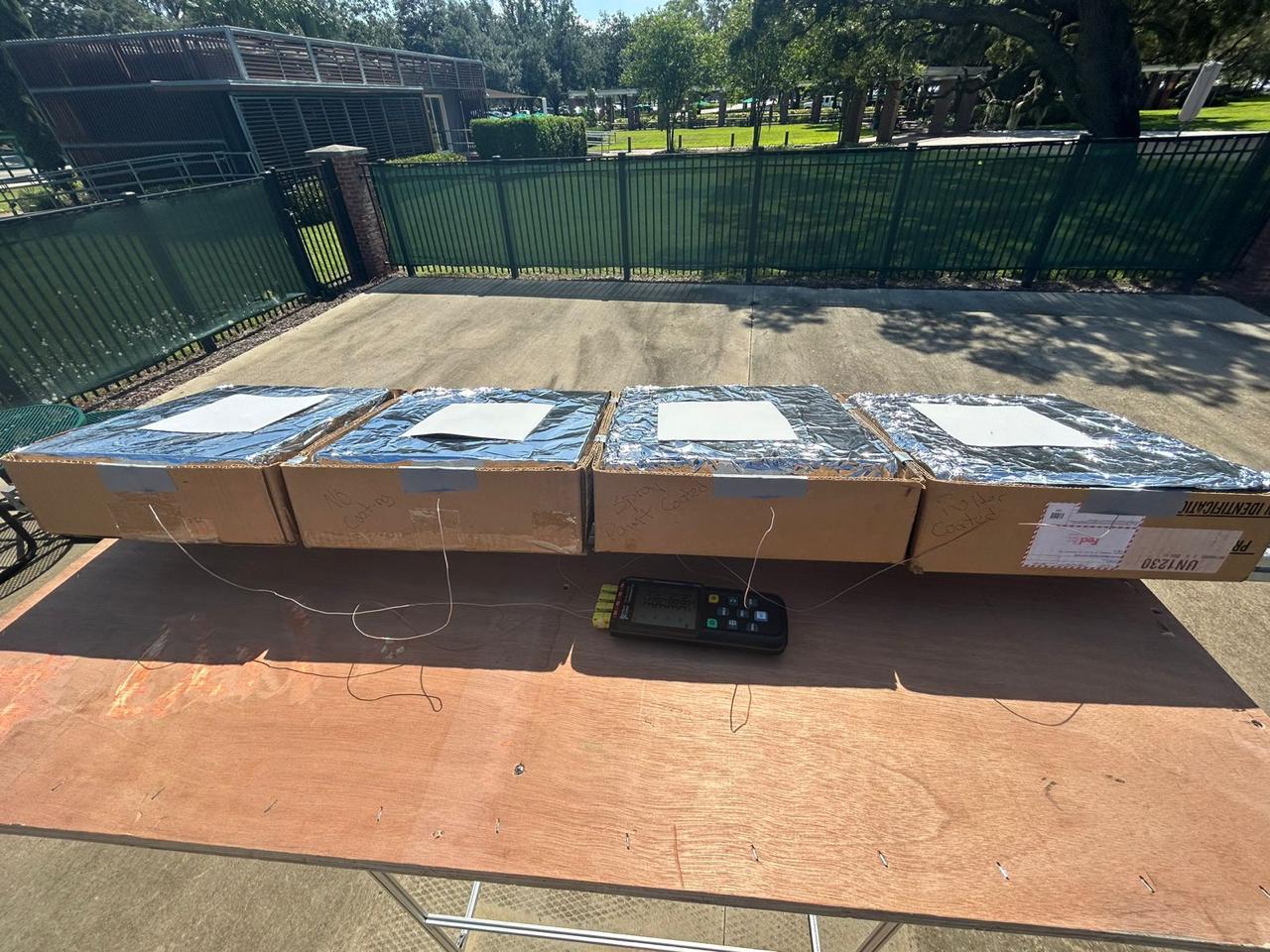
applied as a paint on the buildings (Wijewardane and Goswami, 2012). My research as a member
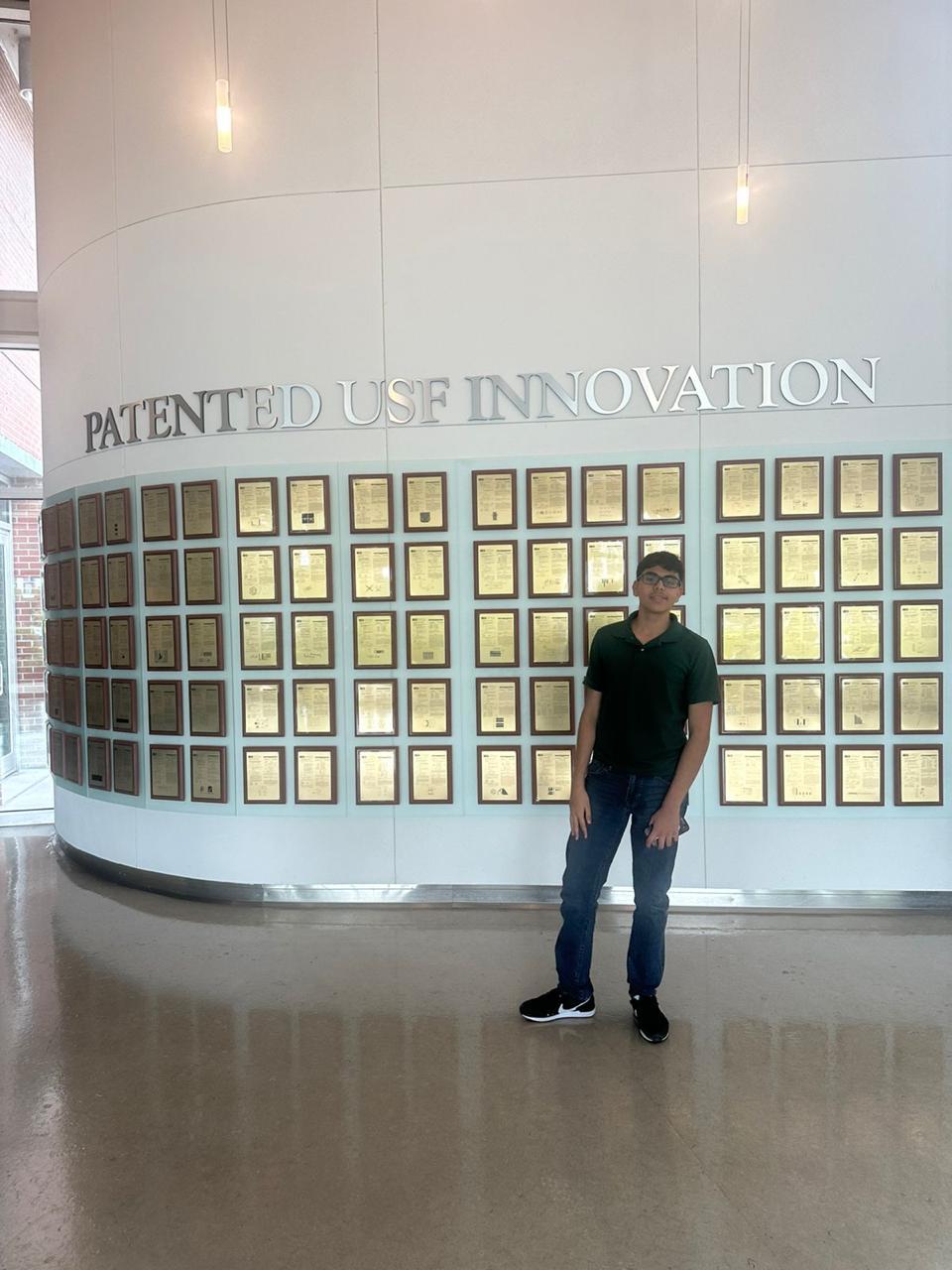
of the research group at the Clean Energy Research Center at the University of South Florida was
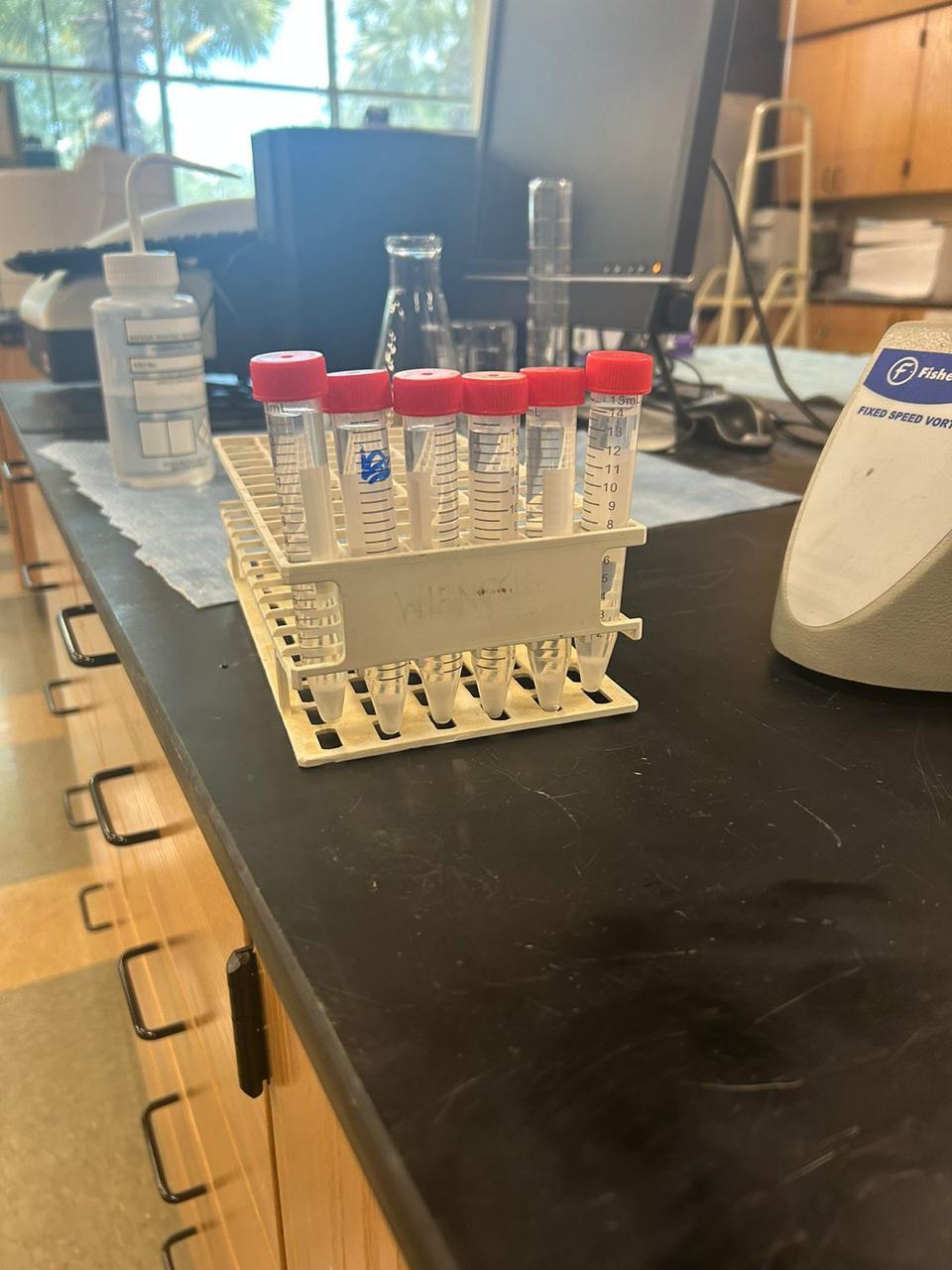
focused on one such material, which is Barium Sulfate (BaSO₄).
highlight the need for innovative and sustainable cooling solutions. Passive cooling techniques,
which reduce energy consumption and dependence on mechanical cooling systems, have
garnered significant attention. Among these techniques, the use of materials with high
reflectance of solar radiation in the wavelength range of 0.3 to 3 microns and high emittance in
the infra-red wavelength range of 8 to 13 microns has shown promising results (Goswami, 2022).
Our atmosphere is transparent to the wavelength range of 8 to 13 microns, which is known as the
Atmospheric Window. Therefore, a material that emits radiation in the Atmospheric Window
exchanges heat with deep space, which is at the absolute zero temperature. A material or a
combination of materials that possess such characteristics can actually cool itself without the aid
of mechanical cooling. Researchers at Stanford University (Rafaeli et.al. 2013, Raman et. al.
2014) created multi-layered structures of materials that actually achieved cooling of 490C to 7
0C
below the ambient temperature while facing the Sun during the daytime. Their research proved
the concept; however, it would not be practical for application to buildings. The concept that
would be practical for cooling of buildings would use one or more materials that could be
applied as a paint on the buildings (Wijewardane and Goswami, 2012). My research as a member
of the research group at the Clean Energy Research Center at the University of South Florida was
focused on one such material, which is Barium Sulfate (BaSO₄).
Want to Get Involved?
Join our community and contribute to this important sustainability initiative. Every action counts!
Submit Your ProjectProject Information
Status
Approved
Category
Sustainability